

Traditions and culture in Paraguay
Paraguay is rich in traditions and customs deeply rooted in Guaraní culture and Spanish-Catholic colonial history. This blend influences the daily life, festivities, and social values of the Paraguayan people to this day. Below is an overview of Paraguay's main traditions and customs:
🏛️ Bilingualism and cultural identity
Paraguay is one of the few countries in Latin America where two languages are officially spoken: Spanish and Guaraní. Guaraní is not only a language, but also an essential part of the cultural identity. Many proverbs, songs, and prayers are still alive in this indigenous language.
🧉 Tereré – the national drink
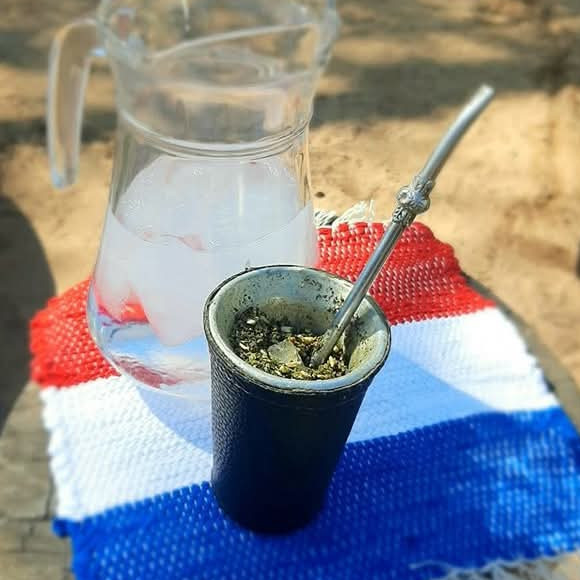
Tereré is a cold mate prepared with medicinal herbs ("yuyos"). It is drunk in a shared container (guampa) with a metal straw. Tereré is shared in a circle among those present, as a ritual of hospitality and social cohesion. On Saturdays, it is common to find "yuyeras" (yuyera vendors) on street corners offering fresh herb blends.
🍽️ Traditional food
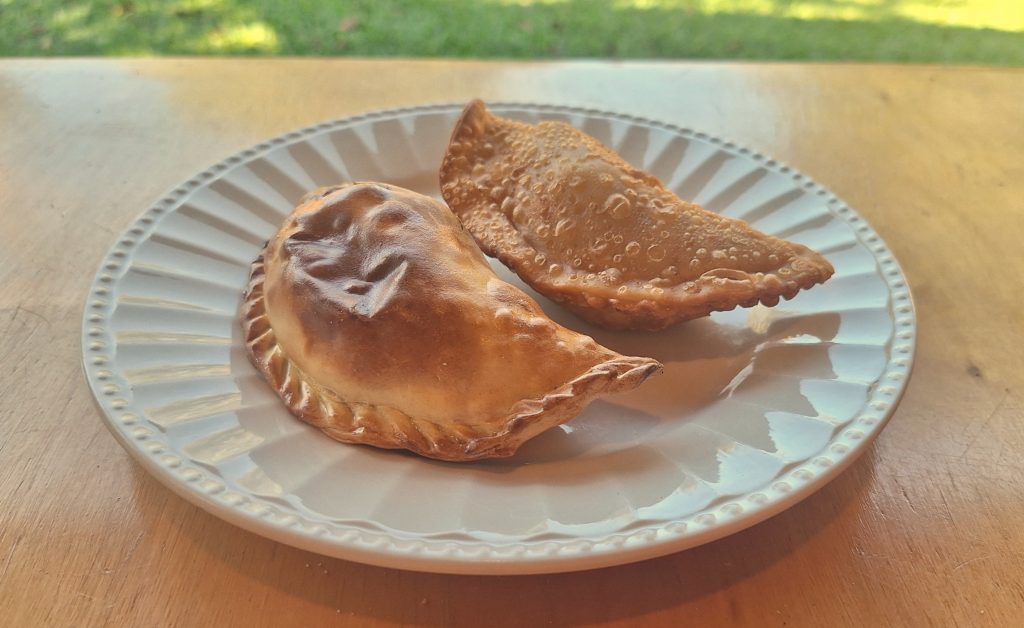
Paraguayan cuisine is simple, nutritious, and based primarily on corn, cassava (mandioca), cheese, and meat. Among the most popular dishes are:
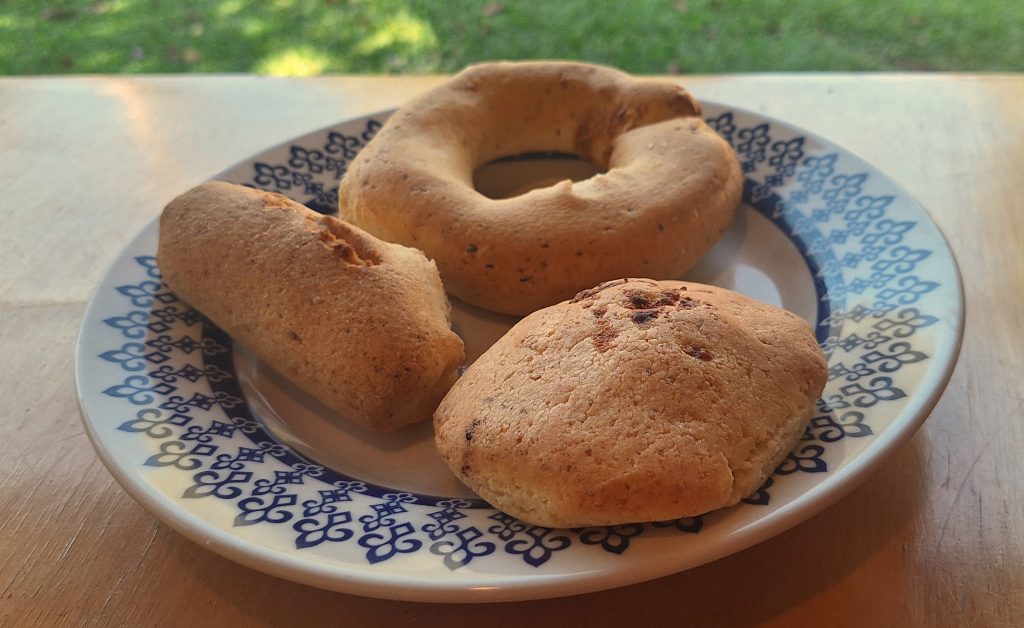
- Chipa: A doughnut-shaped bread made with cassava starch, egg, cheese, and fat. Very popular during Holy Week.
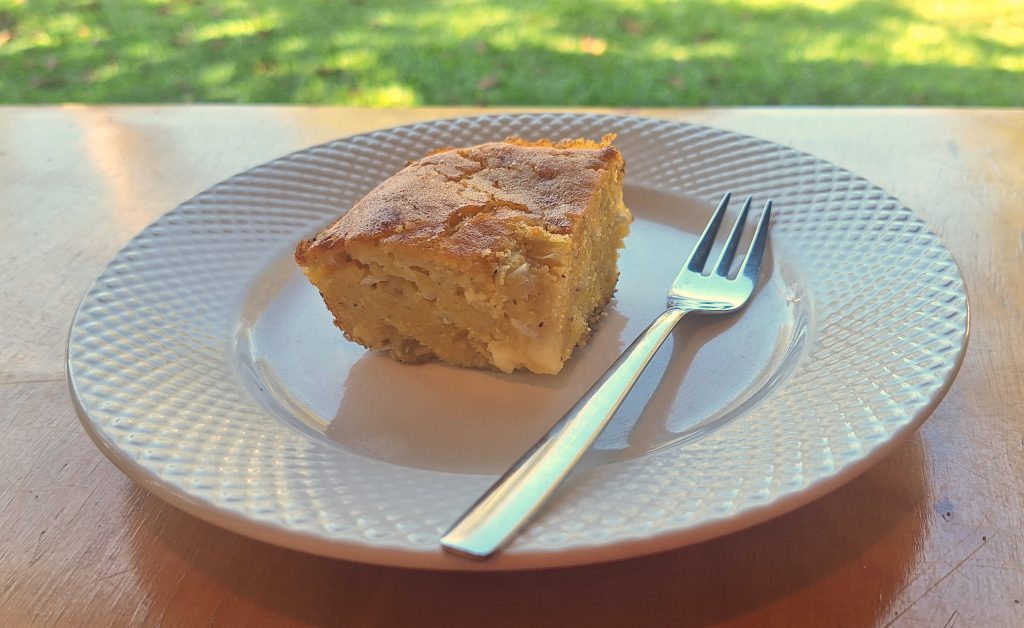
- Sopa paraguaya: Solid corn cake with onion, cheese and milk.
- Mbeju: A pancake-like specialty made from cassava starch.
- Asado: Roasted meat, prepared at family gatherings or among friends, is an essential part of social life.
Read more about "Traditional Cuisine in Paraguay" here.
⛪ Religious festivals, daily customs and popular beliefs
- Peregrinación a Caacupé (8 de diciembre): The most important religious event in the country. More than a million people attend the Caacupé Basilica.
- Semana Santa: Week of processions, masses and the traditional chipa dish.
- Fiesta de San Juan (end of june): A popular festival with traditional games (such as the "Toro Candil"), food, and music. It symbolizes fertility and renewal.
- Birthdays, baptisms, weddings: Celebrated with music, dance, chipa, Paraguayan soup and barbecue.
- Folk beliefs: Figures like the Pombero (forest elf) or the Luisón (werewolf) come from Guarani mythology and are still very present, especially in the countryside.
🎶 Music and dance
- Polka paraguaya and Guarania are the main styles. Typical instruments are the harp and the guitar.
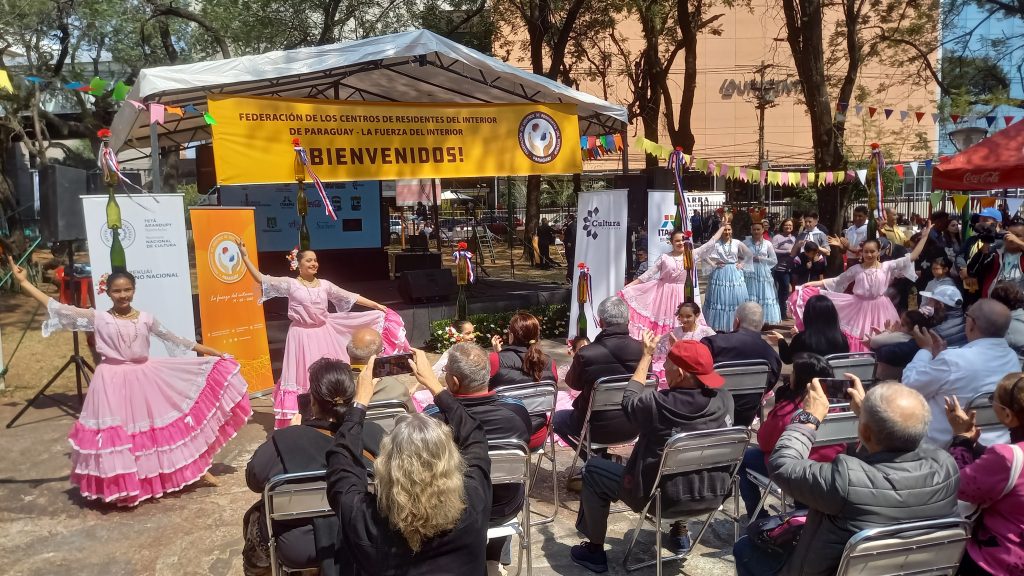
- Folk dances such as the “Danza de la botella”, in which women balance bottles on their heads, are popular at festivals.
🎨 Crafts
- Ñandutí: Fine lace originating from Itauguá.
- Ao po’i: Hand-embroidered cotton textiles.
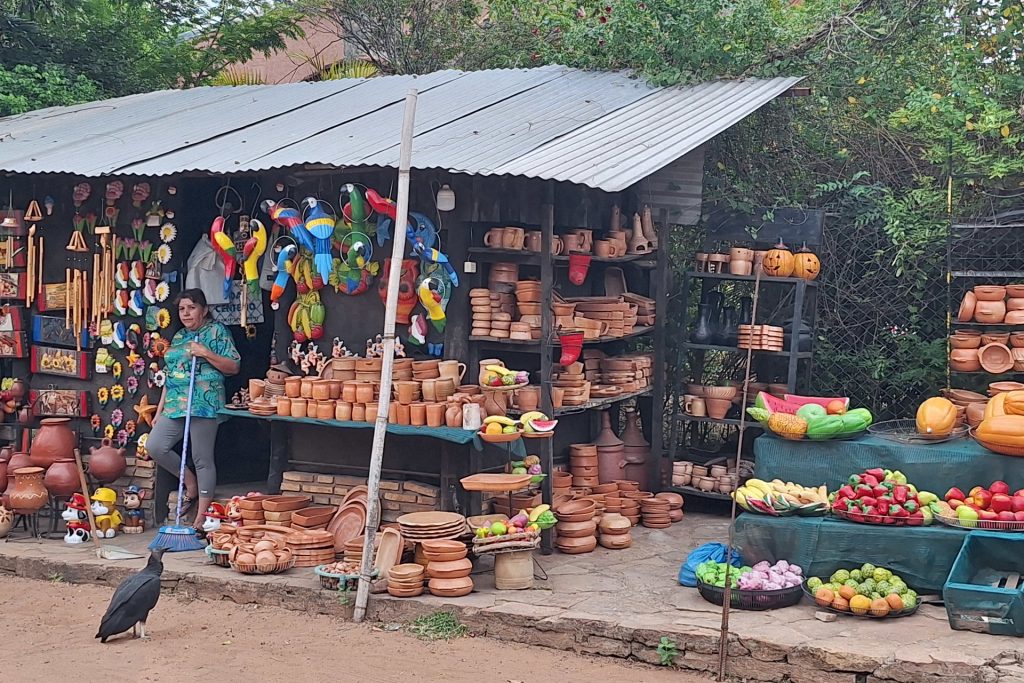
- Ceramics and wood carving: Especially known in Itá, Altos and Areguá.
👉 Conclusion
Paraguayan customs express a deep connection with nature, family, and spirituality. They are not just a display of folklore, but a living part of everyday life. For visitors, they are an authentic experience; for locals, they are the foundation of social life.
Would you like to add important information? We look forward to your message!
 English
  Español
  Deutsch